
We were founded in a village in Darbhanga, and we still work from there.
Mahila Evam Shishu Kalyan Parishad (MESKP) is a voluntary organisation working since 1984 for women, children and the rural poor of flood-prone north Bihar. From our base in Kathalia village, Darbhanga, we work in 42 villages of Darbhanga and Muzaffarpur districts.
For three to four months every year, floods cut off livelihoods in this region, push families to migrate and pull children out of school. Our work answers that cycle with education, skills, savings and a greener village: free schooling and school support for children, self-help groups and training for women, vocational courses for young people, and trees planted and cared for with families and schools.
We want a country of hope, tolerance and social justice, where the problem of people is overcome and people live in dignity and security.
MESKP helps reduce social exclusion by accelerating education, health and empowerment for people in rural areas.
Since 1984
Shamim Ahmed and members founded Mahila Evam Shishu Kalyan Parishad in Darbhanga district in 1984. The society was registered under the Societies Registration Act 21, 1860 on 15 January 1988, and under the Foreign Contribution (Regulation) Act in 1994.
Message from the Secretary
“Knowledge leads to awareness, and awareness leads to self-development, confidence and action.”
Shamim Ahmad Secretary, MESKP
Mahila Evam Shishu Kalyan Parishad works in Darbhanga district and the villages around it, some of the most economically and geographically vulnerable parts of Bihar. Families here face a shortage of safe drinking water, large areas of wasteland, poor farmland, low literacy, unemployment and poor health, and many are forced to migrate in search of work.
MESKP was set up to empower rural women. We form self-help groups and build women's skills and confidence, in the belief that knowledge leads to awareness, and awareness to self-development and action. We support the livelihoods of poor households, help women work together for their communities, and make financial and non-financial services easier for them to reach.
Our goal is lasting social and economic security for women from low-income households, and a better future for their children.
MESKP today
3,810
children, women, young people and teachers reached
42
villages in Darbhanga and Muzaffarpur
76%
of all spending went directly to programmes (₹2.61 crore)
30,000
saplings planted and cared for
Our approach
When the floods come
For three to four months every year, floods cut off work, push families to migrate and pull children out of school. We keep children learning by covering their school costs and teaching them free at our Kathalia campus.
After the floods
Illness follows the floods. We hold free health camps with doctors in our villages and schools, and run health and hygiene sessions with the women in our self-help groups.
Work and skills
When the water goes, so does the work. Computer and tailoring courses, self-help groups and livelihood training help young people and women earn close to home.
Our history
Four decades of work in the villages of north Bihar.
Founded by Shamim Ahmed and members in Darbhanga district.
Village surveys across Darbhanga; registered under the Societies Registration Act in 1988.
Work for the economic and social welfare of women in flood-affected north Bihar.
Training centres for sewing, cutting, sweater weaving, rope, papad, carpet and candle making (TRYSEM). With CAPART: 3.5 km of village road, 50 hand pumps and Sulabh toilets. Registered under the FCRA in 1994.
Approval from the Department of Youth Affairs and Sports, and a CAPART grant to create work for 50 people.
Education, health and rural development programmes grow; flood relief in Muzaffarpur in 2004.
Residential Bridge Course centres, health check-up camps and our first drive of 200 trees.
Student health camps in schools across three districts.
COVID-19 relief for more than 20,000 people with ration kits, masks and health supplies.
A free school for children from the poorest families in our villages.
Our work reaches 3,810 people in 42 villages, and our income has grown from ₹89.5 lakh to ₹3.42 crore.
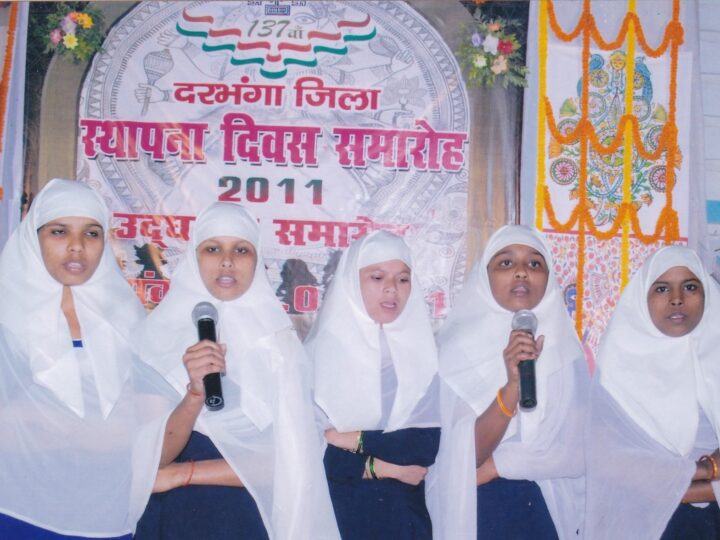
Foundation Day celebration, 2011
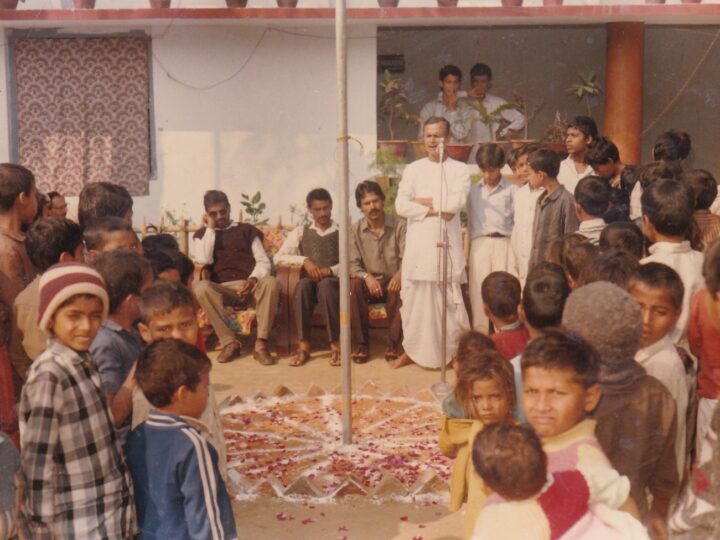
From our archive
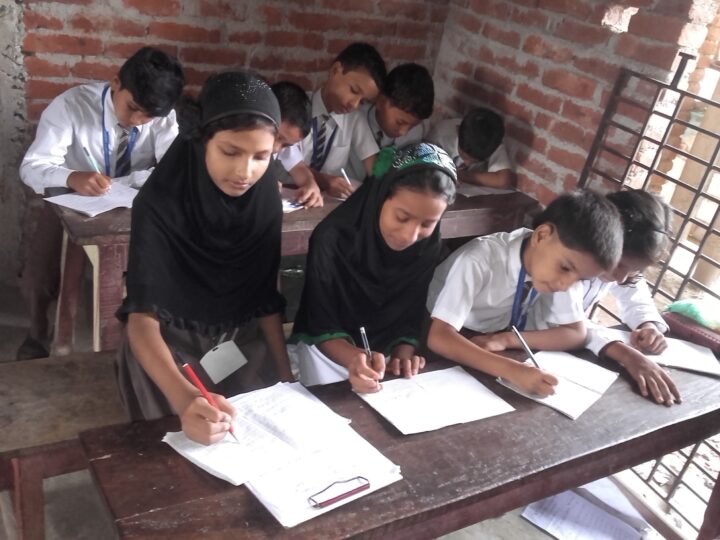
Exam day
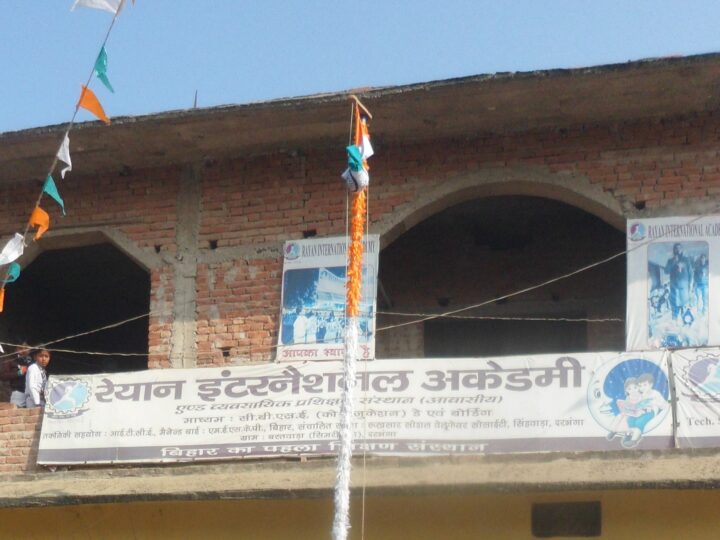
Our early school building
Our objectives
Vocational courses
Vocational training and short courses that help students and women become self-reliant.
Counselling centre
A counselling centre for women and children facing violence and abuse.
Against the dowry system
Campaigning against dowry and helping couples resolve family disputes.
Childcare for working women
Crèches so that working mothers can care for their children while they earn.
Library and reading room
A library and reading room open to students.
Scholarships for girls
Scholarships for girls at primary, middle and secondary level.
Handicrafts
Craft and small-industry work that helps disabled, widowed and older women support themselves.
Self-employment
Small-scale industries, matched to their interests, for educated young men and women without work.
Family welfare
Family welfare programmes, including dispensary and maternity services.
Women and child programmes
Running central and state government schemes for women and children, including those of the Central Social Welfare Board.
Livelihood schemes
Dairy, fisheries, poultry and small production units for widows and families with little income.
Socio-economic programmes
Raising the economic, social and educational standing of the most disadvantaged members of society.
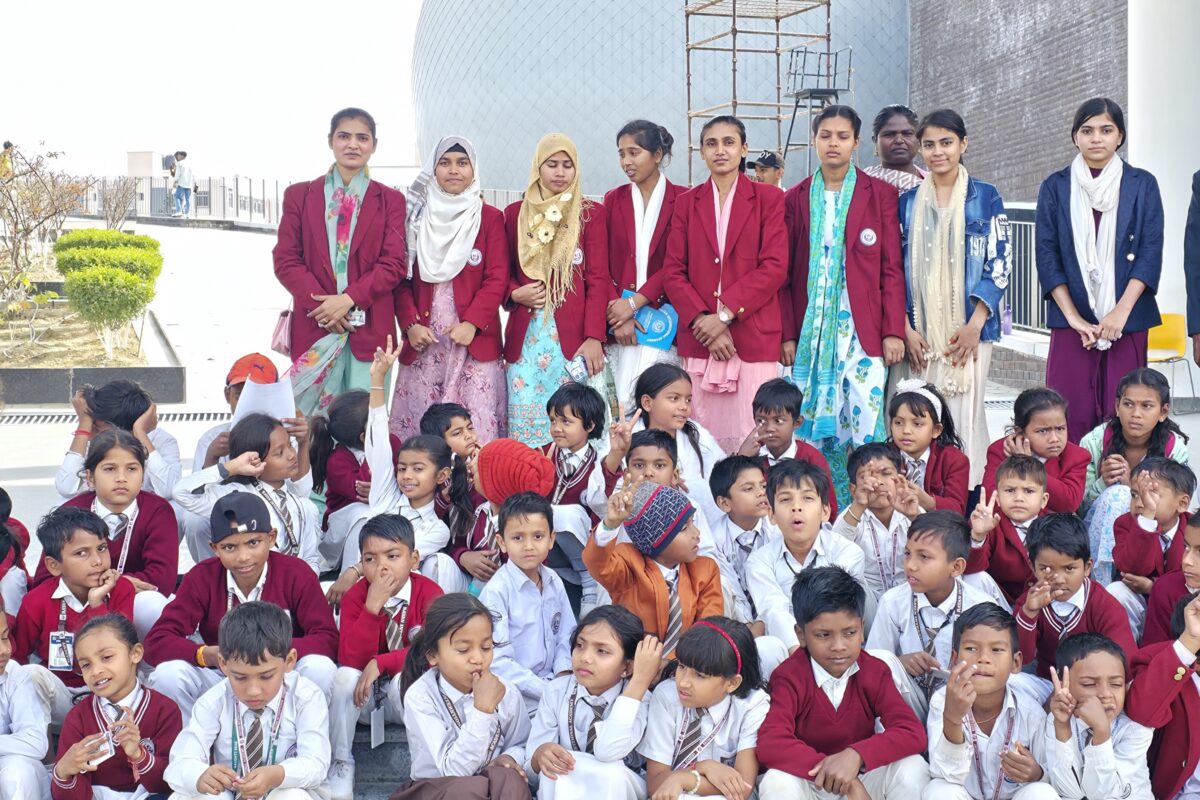
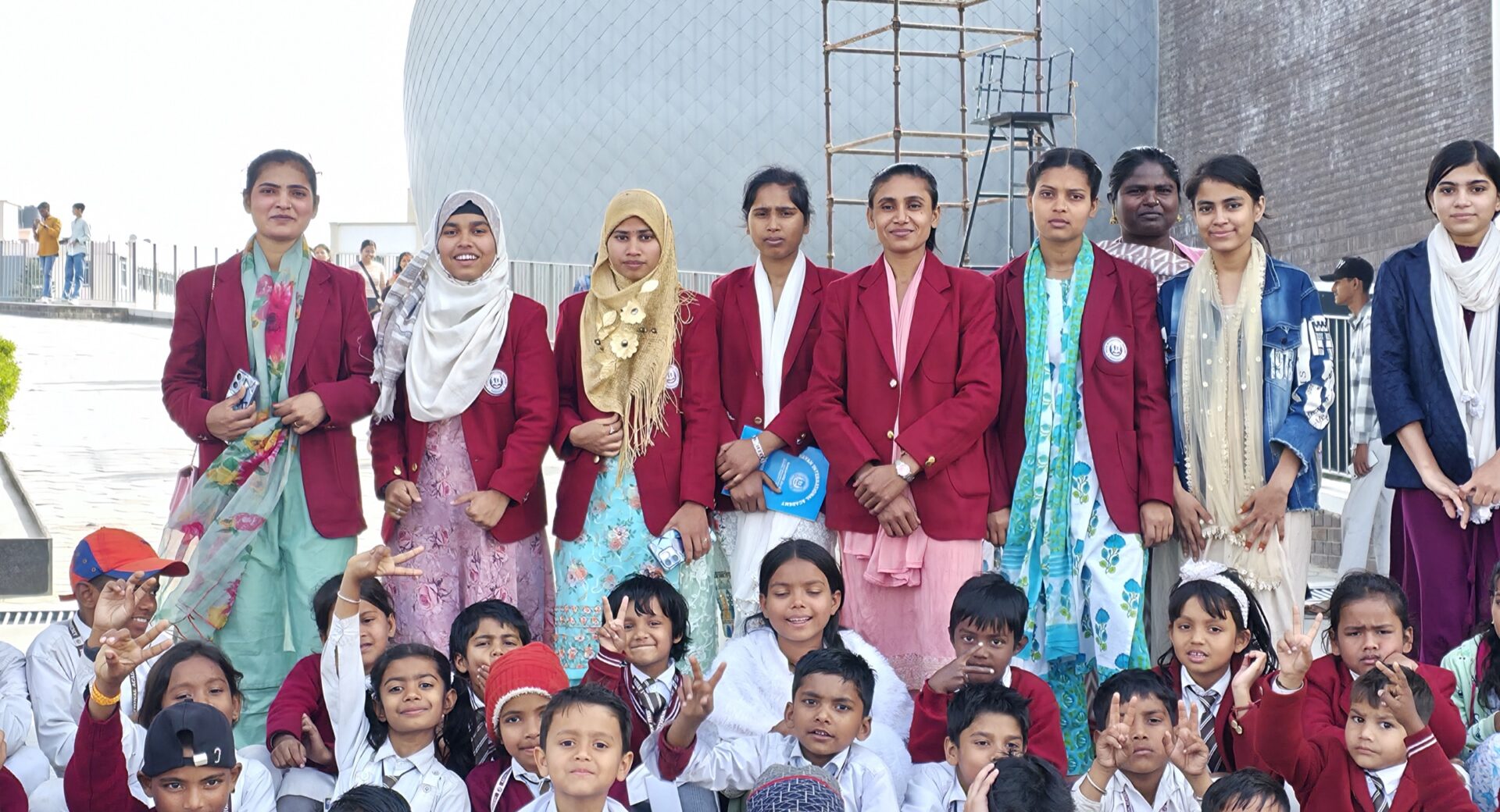
Educational trip
Give your time
Visit families, help at our Kathalia campus or plant trees with us. Our volunteers work in Darbhanga, Muzaffarpur, Delhi and Bengaluru.